Many thanks to Sonja and all the wonderful volunteers who kept the garden thriving this summer and welcomed us back to a bounty of tomatoes, cucumbers, squash and more!
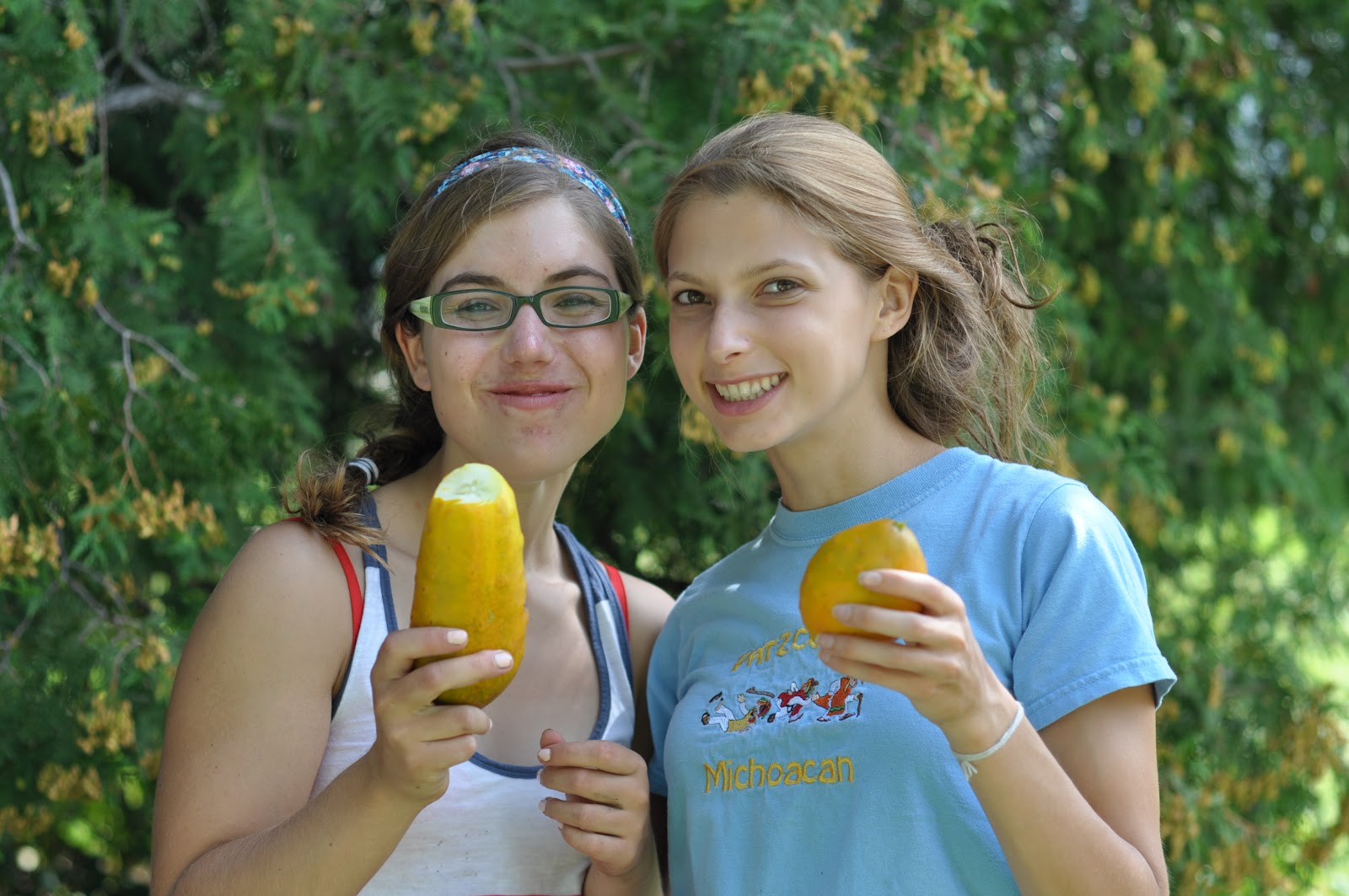
We were overjoyed to celebrate the first work party of the school year with over 30 volunteers last Saturday; thanks to Julia for documenting the fun! (See photos below.) Everyone did great work getting Parsons and the Presidential Garden back in shape after Irene, and many went home with a variety of tomatoes and yellow lemon cucumbers. On Sunday we harvested greens for Mission and collards for the first Meatless Monday dinner of the year at Driscoll, and today we're sending greens for the first Log Lunch tomorrow! We're also looking forward to a wonderful dinner outdoors at the Parsons Garden next Tuesday, thanks to our amazing friends at Dining Services.
To end this quick post, some blogger love to Celeste Berg '13, who is writing an awesome blog about food that is now chronicling her adventures with Williams dining: http://celeste-berg.blogspot.com/
This blog contains up-to-date info on the Williams Sustainable Garden Project. Check in for updates on what's growing, what's being harvested, and volunteer opportunities.
Thursday, September 15, 2011
Wednesday, August 17, 2011
august photos, part 2
Just another post of lots of pictures - more words to come later, perhaps.
| harvesting tomatoes for the Zilkha Center weekly lunch |
| watermelon |
| cauliflower!! |
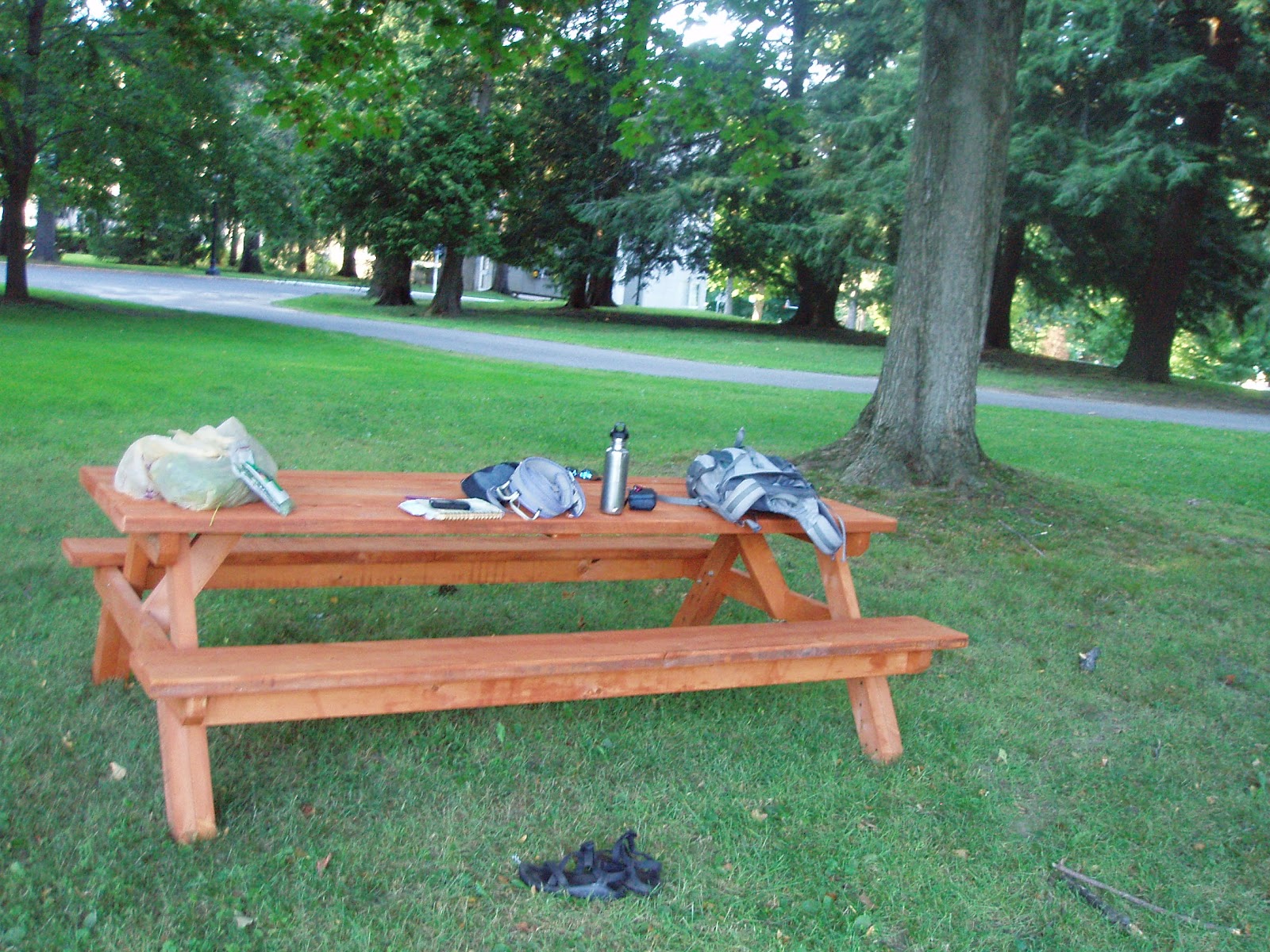
| beautiful new picnic table handmade by Skip Clark, a local carpenter wood from Vermont lumber mill |
| herb barrels outside the faculty house: mint and purple basil! |
| outside Paresky, by Park St. |
Monday, August 8, 2011
august growth
| one of the first nearly ripe tomatoes late July 2011 |
| okra! best to harvest when about 3 inches long late July 2011 |
| preparing a bed for planting late July 2011 |
| planting late July 2011 |
| delightful yellow tomato volunteers 8 August 2011 |
| the melon bed, taking over the lawn 8 August 2011 |
| yellow squash, started from seed in mid June 8 August 2011 |
| okra, traditionally a southern vegetable, okra actually grows quite well even in more northern climates 8 August 2011 |
| the "three sisters": corn, beans, and squash in the presidential garden 8 August 2011 |
| corn, ready to harvest when it feels fully grown 8 August 2011 |
| purple pole beans! 8 August 2011 |
Monday, July 25, 2011
Three Sisters: Corn, Beans, and Squash
| the three sisters, in the presidential garden |
| beans growing around corn |
| beans growing around corn |
| beans growing around corn |
Other versions of the Three Sisters story:
-NC Museum of History
-Web Winds
-First People Legends
Labels:
companion planting,
presidential garden
Thursday, July 21, 2011
No More Vampires
I know everyone's been really concerned with all the vampires on Williams campus, so you'll be pleased to know I harvested about half of the total garlic yesterday (Wednesday), and the rest will be harvested at the Friday work party tomorrow.
So how do you harvest garlic? First, you have to figure out when the correct time to harvest is. It's a sort of tricky process and lots of people have their own policies, but the general recommendation is to wait for the bottom few leaves to turn completely brown, and the top ones to be starting to brown (but still have a fair amount of green). Some say the only way to know for certain is to actually dig up the head, slice it open, and verify that the bulbs fill up the space. If you wait too long, then the bulbs will grow too large and will pop out from the head, and not be store-able.
The actual harvesting is a lot like digging for potatoes. You first loosen the soil, with either a large fork (a potato fork works well) or shovel, being careful not to accidentally break apart the garlic heads with the fork/shovel. I used a shovel and loosened all of the soil first, and then went back through and gently rocked the stalks and pulled out each plant.
So, after finishing the entire round bed (see how full the wheelbarrow is?), I brought the garlic over the Harper House, along with some old window screens we had found in Kellogg House earlier this year and kept in case they came in handy for drying. Garlic can be cured by hanging it in bunches or laying it on screens; the important bit is that air can access all sides of the heads, and consequently all sides can dry fully. The room should also be relatively dry and not sunny. The Harper porch actually has beautiful windows, but we luckily found the blinds and were able to pull them up and shade the room.
After the garlic has cured, we'll be able to store it for up to about four months, though maybe longer or shorter depending on the exact environment in which it is stored. Before storing we'll trim the stalks down to an inch above the head, trim the roots, and shake any remaining dirt free. Never should the garlic heads be washed, so as to prevent early spoiling. We aren't quite sure yet where they'll be stored, but ideally somewhere with a relatively cool, stable temperature.
| the round garlic bed, about half harvested |
The actual harvesting is a lot like digging for potatoes. You first loosen the soil, with either a large fork (a potato fork works well) or shovel, being careful not to accidentally break apart the garlic heads with the fork/shovel. I used a shovel and loosened all of the soil first, and then went back through and gently rocked the stalks and pulled out each plant.
| wheelbarrow, early in the garlic harvesting |
Once garlic is harvested, it should be brought to the shade as quickly as possible. (Soon after I took that picture, I moved the wheelbarrow to the shade.)
After harvesting, the next step is curing. Fresh garlic can be used right away (and is delicious!), but in order to store/keep for an extended period of time, garlic must be cured (or dried). I decided to wheelbarrow all of the garlic over to Harper House, and set up a curing space on the porch.
| freshly harvested garlic head |
| round garlic bed, post harvest |
After the garlic has cured, we'll be able to store it for up to about four months, though maybe longer or shorter depending on the exact environment in which it is stored. Before storing we'll trim the stalks down to an inch above the head, trim the roots, and shake any remaining dirt free. Never should the garlic heads be washed, so as to prevent early spoiling. We aren't quite sure yet where they'll be stored, but ideally somewhere with a relatively cool, stable temperature.
| garlic drying on screen, screen propped on two trash cans |
| garlic drying on screen, screen propped up on window sill and table |
| finishing set up: two screens on window sill, one in center of room. remember, this is only half of the harvest! |
Labels:
drying,
garlic,
harvesting,
preserving
Monday, July 18, 2011
Japanese Beetles
Japanese Beetle
Popilla japonica, Scarabaeidae
Earlier, when I was calling them flea beetles, I was actually a bit confused. I very much meant Japanese beetles. Flea beetles are another pest, which we did have some issues with earlier this year, but are much smaller. Either way, they're the incredibly annoying beetles that are devouring the broccoli plants and munching on a far amount of other plants in the garden. Both are controlled using similar measures: garlic spray, soapy-water spray, hand-picking/removing, etc.
Japanese beetles are recognizable especially because of their tendency to "skeletonize" a leaf, or gnaw away at the fleshy part of the leaf, removing everything other than the veins. Somehow, they sense when other Japanese beetles are already feasting, and come over. Therefore, the more Japanese beetles present, the more are on their way--a viscous cycle.
So that's what we've been doing: garlic spray (which apparently sometimes works, sometimes doesn't) to try to prevent the initial attraction, and hand-picking and drowning/squishing. Lauren and I decided to cover the main bed they've been attacking (the bed with the majority of the broccoli in it) with row covers to hopefully prevent more from coming. The row covers still allows about 85% of the sunlight and a good amount of water in, so the plants should continue to grow.
On the bright side, the broccoli itself has been growing despite the invasion. (Sorry the picture is sideways, I was having a hard time making it go right side up.) Broccoli, like the signs explain, is ready to harvest when about 8-10 inches across. The head should be cut with a knife, including about 6 inches of the stalk. The leaves should be left (or what leaves the Japanese beetles have left!) and the broccoli plant will continue to produce smaller florets which can be harvested and enjoyed as well. So, our broccoli isn't quite ready for picking, but it's getting really close! Check out this site for more information!
Popilla japonica, Scarabaeidae
| Japanese Beetles, feasting |
Japanese beetles are recognizable especially because of their tendency to "skeletonize" a leaf, or gnaw away at the fleshy part of the leaf, removing everything other than the veins. Somehow, they sense when other Japanese beetles are already feasting, and come over. Therefore, the more Japanese beetles present, the more are on their way--a viscous cycle.
| the damage left from the "skeletonizing"of the broccoli leaves |
According to Blue Horizon Farm, in an article about organic control of Japanese beetles:
According to the University of Kentucky Cooperative Extension Service, "When you remove beetles daily by hand from a plant, only about half as many are attracted to that plant compared to those on which beetles are allowed to accumulate." Japanese beetles tend to congregate in clusters that can easily be knocked off of your beloved plants into a bucket of soapy water where they will drown. Squishing them is an option for those of us who feel more aggressive towards them.
| Japanese Beetles |
On the bright side, the broccoli itself has been growing despite the invasion. (Sorry the picture is sideways, I was having a hard time making it go right side up.) Broccoli, like the signs explain, is ready to harvest when about 8-10 inches across. The head should be cut with a knife, including about 6 inches of the stalk. The leaves should be left (or what leaves the Japanese beetles have left!) and the broccoli plant will continue to produce smaller florets which can be harvested and enjoyed as well. So, our broccoli isn't quite ready for picking, but it's getting really close! Check out this site for more information!
| successful broccoli! |
Labels:
broccoli,
japanese beetles,
pests
Subscribe to:
Posts (Atom)