Friday, July 1, 2011

when the sun comes out

It's finally stopped raining so continuously, and we've been able to enjoy some great work days in the garden. This past Friday, we thought it was going to rain the entire time, but it held off long enough for us to do some serious weeding. A few weeds aren't particularly problematic, but when weeds become prolific (like they were) they begin to compete with the plants we want for physical space, soil nutrients, water, and light. So, we pull them up. Thanks to the awesome folks who came to June 24 work-party for excellent weeding of all sixteen of the raised beds.


Amelia with a giant pile of greens, and the awesome weeding crew

Garden beets! Aren't they gorgeous?

Stir-fry with garden greens, zucchini (local, but not ours), onion, and garden sage

Veggies about to get roasted

We had to move the stir-fry to a giant pot instead of the cast iron frying pan, which wasn't big enough to hold all of the chard and beet greens we had. 


We also started a garden program with the Williamstown Youth Center, and now every Wednesday for about an hour or two, kids in the Youth Center summer program get to come over and help in the garden. This past Wednesday one girl weeded the entire round garlic bed:


before


after

And they've finally started construction over at Kellogg. It's weird, and a bit sad, to walk/bike by and see the bulldozed, empty space:


Check out the new documents linked on the right side of the page, especially the information on the different types of greens we're growing in the garden. Keep harvesting, and just don't forget to record what you take. Happy 4th!

Thursday, June 23, 2011

garlic scapes and tire potatoes

When a garlic plant grows, there are two delicious parts: the garlic bulb, which is found under the soil, and the garlic scape, which is this long, round, sometime twirly stalk that protrudes from the top center of the plant. Picking off this scape allows the plant to dedicate all of its energy to producing the garlic bulb--and the scapes can also be used for food. Scapes have a subtle garlic flavor when cooked, and a pretty powerful garlic flavor when raw. Chopped finely in stir-fries, they're delicious. Or, made into pesto... 

the garlic plant; the scape is the cylindrical stalk that loops around

I made six cups of pesto with garlic scapes, olive oil, almonds, and a little bit of nutritional yeast. It was a bit of a process because the blender I borrowed from Dining Services doesn't function nearly as well as a food processor does...


Left: blending, Right: the final product (mm!)


I saved a small amount to eat immediately (above right), the rest is frozen for use in the fall, or later in the summer

We're also growing potatoes in the presidential garden in tire-stacks and in the ground. Because potatoes benefit from being "mounded", or covered with dirt as they grow, growing them in tires allows more (easy!) mounding, and therefore more potatoes. The only silly decision on the part of WSG was deciding to place these tire stacks at the presidential garden, so that we now have to wheelbarrow our compost up to the presidential garden to fill the tire stacks. They're growing really well, though! Potatoes are ready to harvest as "new potatoes" once the tops of plants flower. They can be harvested full size when the tops of the plants dry and turn brown.


potatoes in tire stacks


potatoes in the ground, at the presidential garden


 the presidential garden

Thursday, June 16, 2011

Welcome to Summer!

Hello everyone, and welcome to summer in the garden. It's a beautiful and exciting place, somewhat exploding (in the best way possible) with greens right now. For those of you who aren't here, here are some photos:


late May (or early June) 2011

late May (or early June) 2011

claytonia! 

This is the very same claytonia we discovered underneath the mini hoop tunnels when we peeked underneath them off toward the end of winter. Claytonia is also known as "miner's lettuce" because miners during the California gold rush supposedly ate it to prevent scurvy.

tomato transplants, purchased from a nursery in Cheshire, MA


We had a bit of a greenhouse situation; everything that we had planted in the greenhouse to start as transplants (eggplants, tomatoes, peppers, herbs, and more) is probably not going to make it. At first we thought it might be because we hadn't watered enough, but then we realized that other people who had used the same trays and soil as us were experiencing the same problems. So we aren't really sure what's going on, and from now on are pretty much just going to start everything from seed. That means it will be longer until we get produce, but that hopefully we will actually get some produce. 


so much deliciousness...

a snap pea pod

radishes

I had never seen so many radishes before. I picked about 1 1/2 lbs of them yesterday (Wednesday) and plan to pickle them in the next few days. (And when I say 1 1/2 lbs I mean just the radishes, not even including the greens.) These ones are known as "easter egg radishes" and can grow quite large before getting too bitter to be pleasurable. 

swiss chard

the mess I made while organizing the shed

and the end product! so much better than before.


I'll write more and continue taking more photos sometime. Expect another update next week! Also, check out the lists on the right-hand side of this page detailing what is ready to harvest in the gardens. If you help out, feel free to help yourself to some produce--just make sure you record what you take on the sheet on the right-hand side of the shed. Also, try not to harvest things that aren't ready yet (such as the carrots). If you're not sure, just send me an email or ask me, and I'm happy to explain. Or any general questions, or suggestions, let me know.


Here's the calendar of expected harvests and other things for the summer: https://www.google.com/calendar/render?tab=mc.


Sonja

Saturday, May 7, 2011

Middlebury Campus Cultivation Conference

Last Saturday (4/30) Alex, Andrea, and Anna traveled to Middlebury College for the first Campus Cultivation Conference. The Conference began with PowerPoint presentations from the seven attending schools. It was exciting seeing how many other schools have gardens and how well ours is doing after only one year! Middlebury's garden was started eight or nine years ago on only a quarter acre and now they're looking to expand to six acres. We also heard from Amherst, Wesleyan, Wellesley, and Hamilton.

After lunch we broke apart into two groups for different actions. Anna and Alex went to the Marketing session and worked on different potential problems a campus garden might face, like what to do if students started stealing or how to talk to a local farmer who might feel the garden presents competition. Some schools work closely with their dining services provider to sell food, offer CSA for professors and co-ops, or hold Farmer's Markets.  Andrea went to a discussion on food and agriculture being integrated into a school's curriculum. Apparently Middlebury is making headway in offering a Food Studies program.

After working to design potential campus events for promoting the garden and sustainable agriculture, Middlebury invited us to tour their garden. It was really impressive. Their garden is set up about a mile outside of their school on a raised site in the middle of an enormous field. They have a huge hoop house, about a dozen different large beds, beehives, grapevines, and a berry patch. They also have a pretty big shed, a classroom designed by an architecture student, and even an outhouse! Because their garden is so far from school the first thing they had to do for their garden was to dig a well and set up a solar panel for drawing water. Now they're hoping to build a barn for more storage and to setup a wash station.

Overall, the Conference was really fun and educational. It was interesting to hear about the different successes and difficulties each school has run into. It certainly made me appreciate some parts of our gardening experience so far. The Middlebury students also talked about holding the Conference again next year, but at a different school. Maybe out turn?!

One last note: Middlebury has an awesome logo that they've put onto shirts. Something for us to aspire to!

Monday, May 2, 2011

April Work Parties

After being spoiled with the gorgeous weather at our one-year anniversary celebration our next two work parties were on the colder, rainy-er, numb finger side of the spectrum, but that didn't keep us from getting a lot done or having fun! We've been moving perennials from the Kellogg garden to Parsons so they don't get bulldozed in the Stetson-Sawyer construction, preparing herb barrels for Dining Services, planting, and weeding. Then the sun came back this past Saturday for an exciting morning of planting more lettuce, arugula, and spinach as well as blackberry, raspberry, and black raspberry bushes to serve as a natural fence. We also had fun helping out at the Mount Greylock High School garden work party preparing beds and planting.

Things are growing wonderfully in the Parsons and Presidential gardens- we've transplanted and direct seeded many different types of salad and cooking greens, beets, and carrots and have about 14 varieties of tomatoes as well as peppers, eggplant, okra, watermelon, and herbs growing in the greenhouse. The spinach we planted right before spring break is harvestable and delicious, so that is exciting as well. We've also been able to share lots of greens (that we had planted last fall), mostly claytonia, spinach, and arugula, with Log Lunch the last few weeks. The parsley we started back in February successfully made it to the Passover seder last week, and we hope that our collaboration with WCJA was the beginning of an annual tradition. As the semester is winding down things in the garden just keep ramping up, so we're hoping to entice some more volunteers by reviving the pre-work party pancake breakfasts that were a big hit last spring! Check out some pictures of what we've been up to:
 
new perennial bed 4/16


same bed, 4/30- the currant bush has leaves and flowers!

spinach and baby lettuce!

wider view

our new natural bramble fence

The amazing claytonia on the left, brassicas we're saving seeds from on the right

Garlic and the fence in process...
New herb garden

Friday, April 15, 2011

First Work Party of the 2011 season

After its inception last year -and more success with planting, harvesting, and most importantly human connections that we could have hoped- the Williams College Sustainable Garden has come full circle.


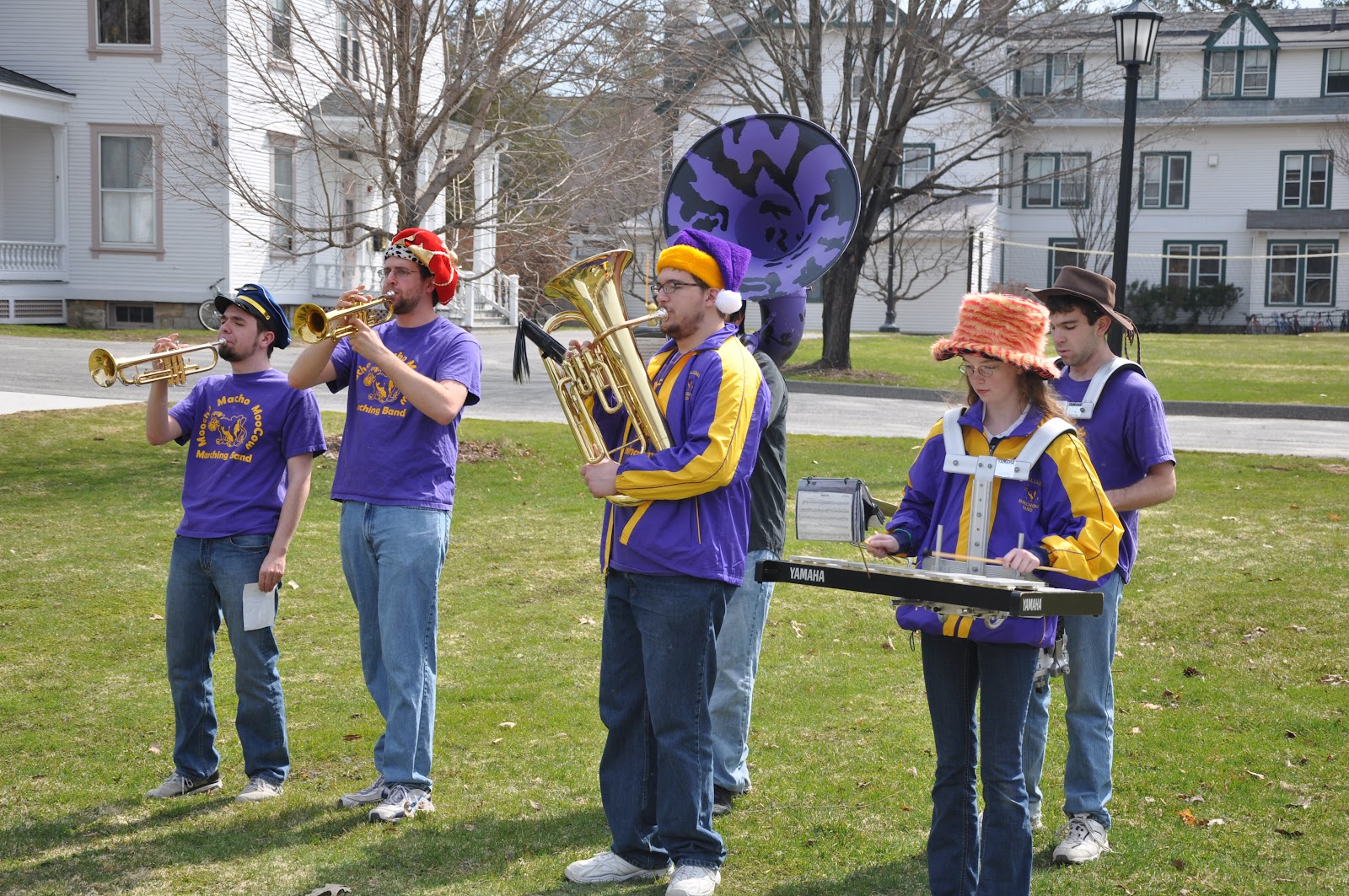
We celebrated with words from members old and new as well as musical guests...

...before getting down to planting on an auspiciously beautiful spring day. Returning members and newcomers are working on the original Parsons site as well as the Presidential Garden in the Falk's yard.


Crops that thrived last year were replanted alongside a variety of new vegetables, sourced from seedlings and transplants. Salad greens that weathered the snow eagerly await their new neighbors.


Stay tuned for updates in what is shaping up to be an even better year than last for the Garden.

Saturday, March 19, 2011

March Update

Things are finally looking greener around Williamstown, and despite the epic amount of snow we had this winter a lot is still growing in Parsons! We also have tons of seedlings sprouting in the greenhouse that should be ready to plant the first weekend after spring break. We were out this week cleaning up the beds, getting some ready for planting, and seeding spinach, peas, and carrots. The first big work party for the season will be on Saturday April 9th- first we'll celebrate the one year anniversary of the groundbreaking of the garden and then we'll transplant! Get excited for the season by checking out the pictures below!
Amazing claytonia!

Spinach in Parsons

Bok Choy and Kale

Passover parsley in greenhouse

Sprouting garlic!

Sara watering our seedlings

scallions

chard and more...!

The greenhouse and our seedlings